The Officer Will Ask You This. Do You Know Who the Speaker of the House Is Right Now?
USCIS Question 47 asks for the current Speaker by name — and the answer changes. Here's who it is in 2026, what the role means, and the full set of Congress questions on the civics test.
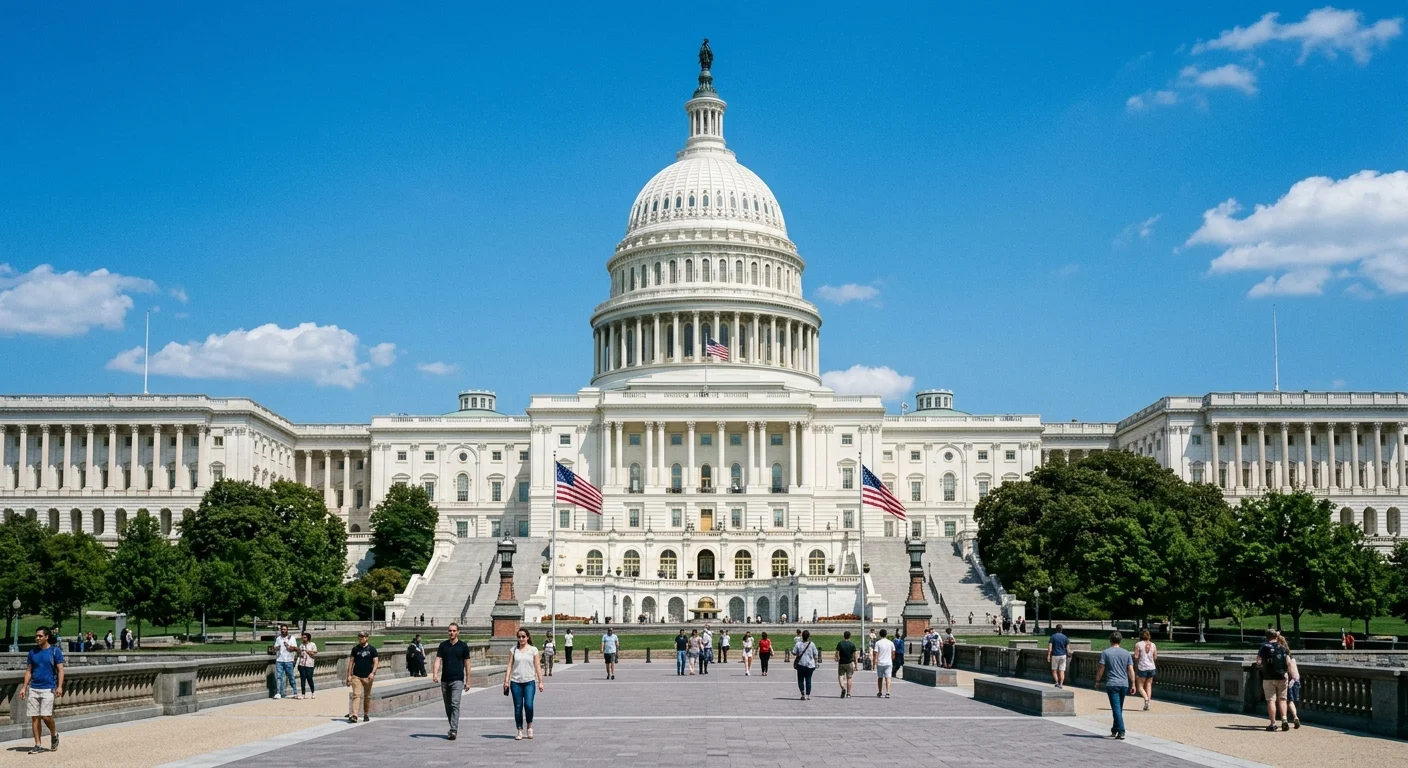
You've got most of the 128 questions locked in. The branches of government. The amendments. The first President. And then the officer asks: "What is the name of the Speaker of the House of Representatives now?" You know it's a current name. But which one?
This question trips people up precisely because it changes. It's not a historical fact you memorize once — it's a real-time answer that USCIS updates whenever the Speaker changes. And if you've been studying for a while, the name you learned might already be out of date.
As of 2026, the Speaker of the House of Representatives is Mike Johnson, a Republican from Louisiana who has held the position since October 2023. That is the answer USCIS currently accepts for Question 47. Always verify the current Speaker close to your interview date — this is one of the questions where the accepted answer moves.
USCIS Question 47: What is the name of the Speaker of the House of Representatives now?
What the Speaker of the House Actually Does
The Speaker is the presiding officer of the House of Representatives and the leader of the majority party in the chamber. The role carries three major responsibilities that are worth knowing for context — even if the civics test only asks for the name.
First, the Speaker controls the legislative calendar. Bills don't come to the floor for a vote unless the Speaker allows it. That's an enormous amount of power over what Congress actually does. Second, the Speaker recognizes members to speak during floor debates. And third — and this is the one that appears indirectly on the civics test — the Speaker is second in the presidential line of succession, behind only the Vice President.
USCIS Question 45: What are the two major political parties in the United States?
The Full Set of House and Congress Questions
The Speaker question is part of a cluster of questions about the legislative branch. If you're studying Q47, make sure you've covered all of these — they come up together.
USCIS Question 17: What are the two parts of the US Congress?
USCIS Question 18: How many US Senators are there?
USCIS Question 23: Name your US Representative.
USCIS Question 24: Who does a US Senator represent?
USCIS Question 38: What is the name of the President of the United States now?
How the House Differs from the Senate
Both chambers make up Congress, but they work differently — and the civics test tests both.
The House has 435 members, and the number of representatives each state gets depends on its population. States with more people get more representatives. California has 52. Wyoming has 1. Representatives serve two-year terms, meaning the entire House is up for election every two years.
The Senate has 100 members — exactly 2 from every state, regardless of size. Senators serve six-year terms, with roughly one-third of the Senate up for election every two years. This staggered system means the Senate as a body is never entirely replaced at once.
USCIS Question 28: How many years do we elect each member of the House of Representatives?
USCIS Question 20: Who is one of your state's US Senators now?
The "Now" Questions: What to Do Before Your Interview
The USCIS test includes several questions that use the word "now" — a deliberate signal that the answer is time-sensitive and changes with elections and appointments. These include:
- Question 20: Who is one of your state's US Senators now?
- Question 23: Name your US Representative.
- Question 38: What is the name of the President of the United States now?
- Question 39: What is the name of the Vice President of the United States now?
- Question 43: Who is the Governor of your state now?
- Question 47: What is the name of the Speaker of the House of Representatives now?
For all of these, you should verify the current answer within a few weeks of your interview. USCIS maintains updated accepted answers at their official 2025 civics test page. The House.gov "The House Explained" page is also a good resource for verifying current representatives and how the chamber works.
For finding your own representative and senators — answers that are location-specific — the iCivics resources library and congress.gov's member directory both make it easy to look up by zip code.
Why People Blank on This Question
The Speaker question gets missed for one of two reasons. Either the person studied with outdated materials and has the wrong name, or they know the right name at home but blank on it in the room. Both are fixable — but only with practice.
Reading the name on a flashcard is different from saying it out loud to a USCIS officer while you're nervous. The gap between knowing the answer and being able to produce it under pressure is real. That's the gap the FutureCitizen.us simulator is designed to close — a free AI officer asks you the real questions one at a time, you answer out loud, and you find out which answers you actually have ready to say versus which ones you only think you know.
Know the Name. Say It Out Loud. Practice the "Now" Questions.
The Speaker of the House, the President, your state's senators — the USCIS "now" questions require current answers and verbal recall. FutureCitizen.us runs a free simulated USCIS interview: an AI officer asks you the real civics questions, you answer out loud, and you see immediately which answers are ready and which need work. No signup, no cost.
Start the Free Simulator →