What Happens If You Fail the Civics Test at Your Interview?
The short answer: it's not over. Here's exactly what USCIS does next, how the second interview works, and what to do if you need to appeal.
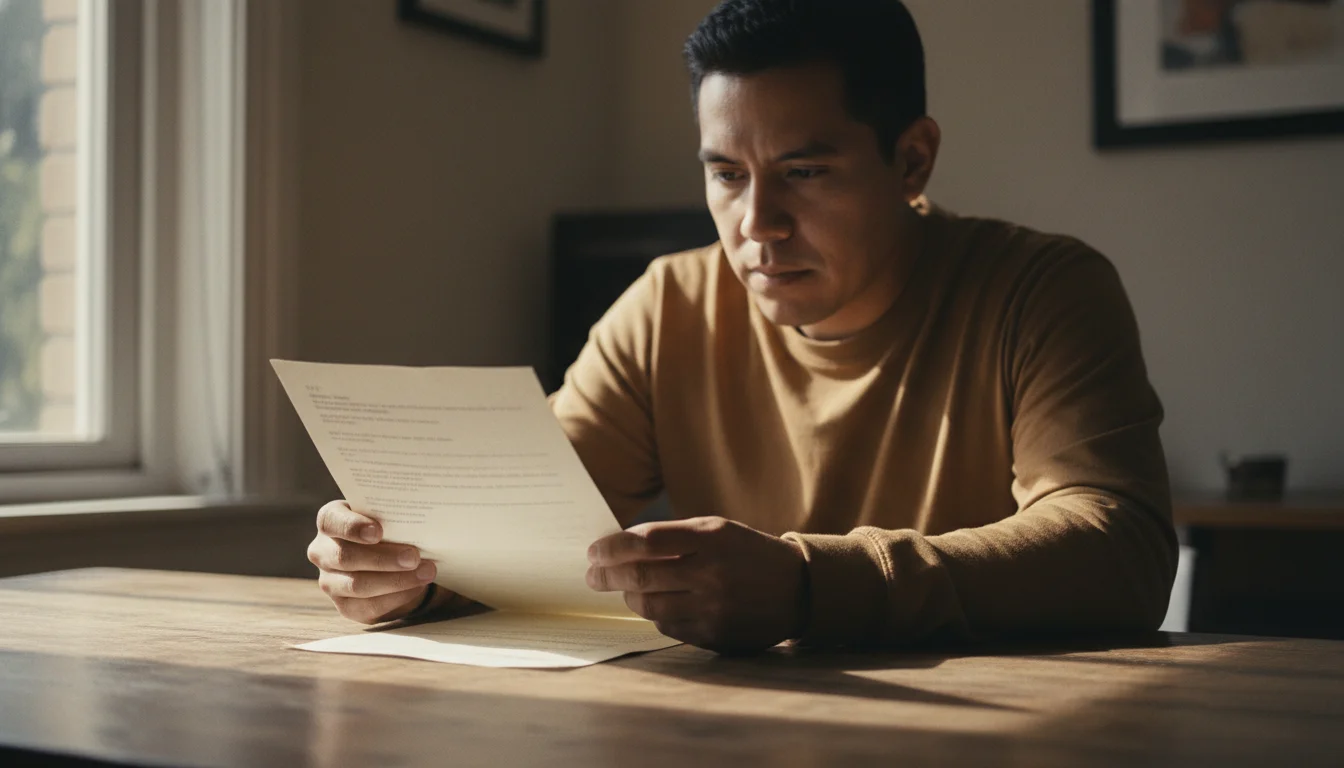
You walked out of the field office and the door closed behind you. You know it didn't go the way you planned. Maybe one question came up blank. Maybe nerves turned your preparation into static. Maybe you were fine on the English test but the civics section caught you at the wrong moment on the wrong questions.
Whatever happened in that room, you're standing outside it now — and the first thing you need to know is this: failing the civics test at your naturalization interview is not the end of your application.
USCIS builds a second chance into the process. The vast majority of applicants who don't pass the first time do pass the second. What matters now is understanding exactly what comes next — and using the time you have to prepare differently than you did before.
The Short Answer: What Happens After You Fail
If you do not pass the civics portion of your naturalization interview, USCIS will schedule a second interview within 60 to 90 days. You'll receive a new appointment notice by mail. Only the portion you failed gets retested — your N-400 application stays open, and you don't start over from the beginning.
Two attempts total. That's the USCIS policy. If you pass on the second try, your application moves forward. If you don't pass the second time, USCIS denies your N-400 — though you still have options after that, including a hearing or a new application.
The process is designed to give you a real opportunity to recover. Use it.
What the "Did Not Pass" Notice Means
At the end of your interview, the officer gives you Form N-652 (Naturalization Interview Results). If you didn't pass the civics test, the form will indicate which section requires a re-examination. Keep this document — it confirms what happened and what you need to pass at the second interview.
Your N-400 application is still active. Nothing has been denied yet. You're in a waiting period between two interview attempts.
For the 2025 civics test (for applicants who filed their N-400 on or after October 20, 2025): the officer asks 20 questions from the 128-question bank. You need 12 correct answers to pass. The officer stops when you reach 12 correct or 9 incorrect — so you may not always know exactly where you stood until it's over. At the second interview, the same format applies.
For the 2008 civics test (for applicants who filed before October 20, 2025): the officer asks up to 10 questions from the 100-question bank. You need 6 correct to pass.
The Second Interview: Only What You Failed Gets Retested
This is one of the most important things to understand: if you passed the English test but not the civics test, you only retake the civics test at the second interview. You do not have to redo your English reading and writing. You do not go through the entire N-400 review from scratch.
The second interview focuses only on the portion that needs to be re-examined. For most applicants who didn't pass, that means 60 to 90 days to specifically prepare for the civics questions — and nothing else.
That's actually a meaningful window. Six to nine weeks is enough time to move from "I studied the questions" to "I can say the answers out loud without thinking." The two skills are different. Only one of them matters in the interview room.
USCIS Question: What is the supreme law of the land?
USCIS Question: What do we call the first ten amendments to the Constitution?
How to Prepare for Your Second Interview
The mistake most people make after a first failure is doing more of the same thing — reading the questions again, going through flashcards, testing themselves silently. That preparation got them to the first interview. It didn't get them through it.
The civics test is an oral exam. The officer asks a question out loud, and you answer out loud. There is no multiple choice. There is no writing. Your brain has to retrieve the answer and your mouth has to produce it — under pressure, in a room with a government officer, after weeks of anxiety about exactly this moment.
That's a specific skill. And it requires specific practice.
Here's what actually works in the weeks between interviews:
- Practice out loud every single day. Not reading — speaking. The answer needs to live in your mouth, not just your memory.
- Identify your weak questions. Which ones made you pause? Which ones came up blank? Those are your priorities. Drill them until they feel automatic.
- Simulate the interview format. Have someone ask you questions randomly, not in order. The officer won't go in sequence. You need to be able to pull any answer at any time.
- Practice under mild pressure. Time yourself. Answer in front of someone. The goal is to reduce the gap between what you know and what you can produce when adrenaline is running.
Our guide on how to answer USCIS civics questions out loud covers specific techniques for building the verbal recall that the interview actually tests. Read it before your second appointment.
What If You Fail the Second Time?
If you do not pass the civics test at your second interview, USCIS will deny your N-400 application. You'll receive a written notice of denial.
That's a hard outcome, but it's not a permanent one. You have three paths forward:
1. File Form N-336 (Request for a Hearing)
Within 30 days of the denial notice, you can file Form N-336 to request a hearing before an immigration officer. This is a formal review of USCIS's decision — it's not a new interview, and it doesn't require re-filing a complete N-400 or paying the full application fee again. An immigration attorney can help you understand whether this path makes sense for your situation.
2. File a New N-400 Application
You can file a brand new N-400 application and start the process again. This means paying the filing fee again and waiting through the full processing timeline. On the positive side: it gives you more time to prepare, and a fresh interview with no prior failure on record for that application.
3. Seek Judicial Review
If you believe the denial was legally incorrect, you can petition a federal district court for a de novo review of your case under 8 U.S.C. § 1421(c). This is the most complex path and typically requires an immigration attorney.
For questions about your specific situation — especially if there were factors beyond the civics test involved — consult a licensed immigration attorney. Many offer free initial consultations.
One More Thing: The Numbers Are on Your Side
The civics test pass rate is high. Most applicants who prepare pass on the first attempt. Among those who don't, most pass on the second. A single failure at the first interview is a setback, not a wall.
The questions on the official USCIS study list are published in advance. There are no surprises in the question bank — only answers you haven't made automatic yet. Between now and your second interview, that's exactly what you fix.
Read about what to expect at the full naturalization interview so you walk into the second appointment knowing exactly what's coming — the format, the flow, and what the officer is actually evaluating.
You studied hard enough to get to the interview. You know more than you think. The second chance is real, and it's yours.
Practice These Questions Out Loud
Reading the civics questions and saying them under pressure are two different skills — and the interview tests the second one. Our free AI officer asks the real USCIS questions one at a time, just like your interview. Find the questions that trip you up before your next appointment.
Start Free Practice →