You Filed Your N-400. Here's the Background Check USCIS Is Running Right Now.
What USCIS checks, how long it takes in 2026, and what triggers a hold that can stall your case for months — without any explanation in your case status.
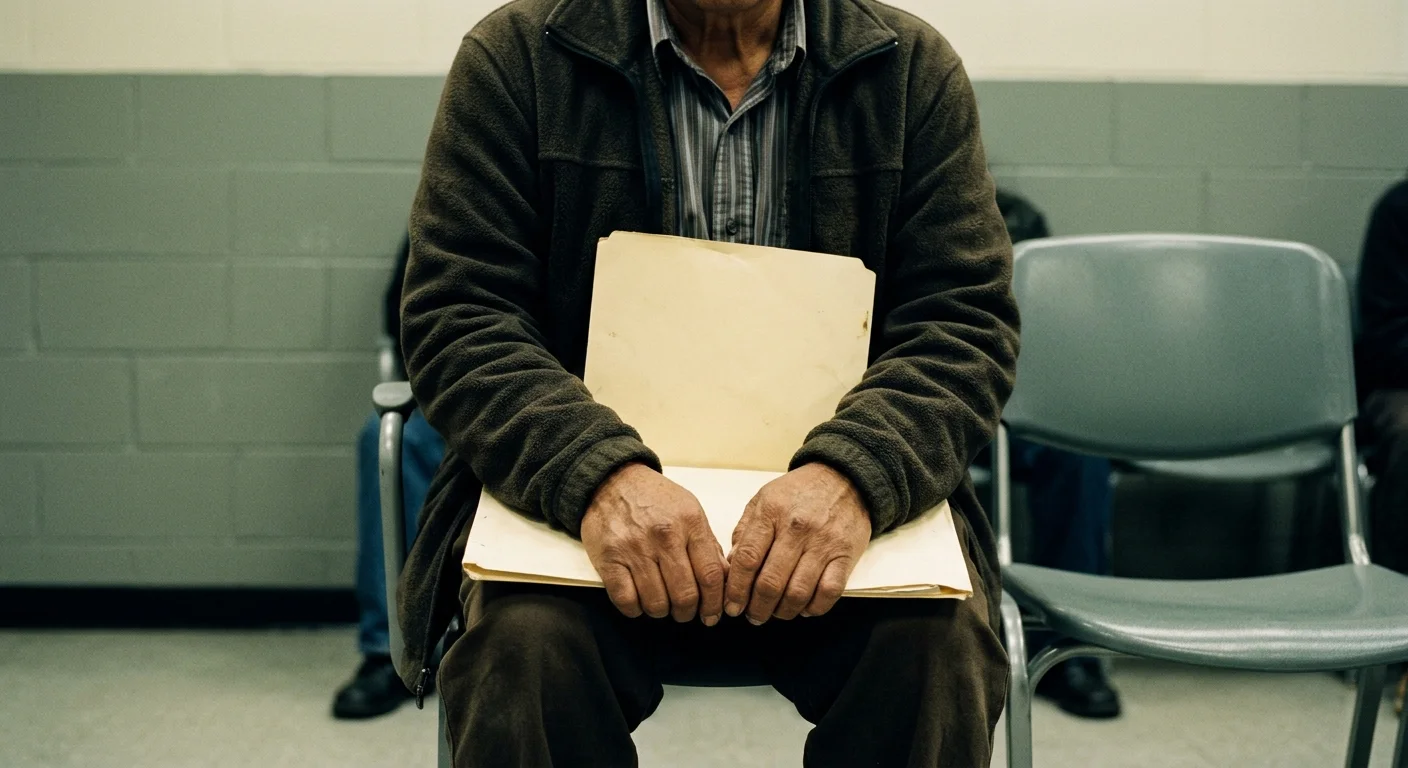
You've done the hard part. The N-400 is filed. You sat through the biometrics appointment, pressed your fingers to the scanner, and watched the officer scan your photo. You drove home knowing the process was out of your hands.
The waiting starts here. And somewhere in that waiting — invisible to you, running in parallel with your case — USCIS is conducting a background check that will determine whether your application moves forward or quietly stalls on a hold you can't see.
Most applicants don't know exactly what that check involves. They don't know how long it takes. And they definitely don't know what can cause it to stop, silently, with no explanation in their online case status. This article explains all of it.
What USCIS Actually Checks
The USCIS background check for naturalization isn't one check — it's three running simultaneously, conducted in coordination with the FBI and the Department of Homeland Security.
FBI fingerprint check. Your biometrics appointment exists for this. The FBI runs your fingerprints against its Next Generation Identification system — a database covering criminal records, arrest records, and prior law enforcement encounters. If your prints match any record in the system, USCIS receives a response. This is the check focused on your actual criminal history.
FBI name check. A separate search runs your full legal name and any known aliases against FBI national security and terrorism-related databases. This check is not about criminal convictions — it's about whether your identity has surfaced in connection with national security concerns. Most applicants clear this with no issue. Name matches against common names in certain databases can trigger holds that take much longer to resolve.
DHS immigration records check. The Department of Homeland Security cross-references your immigration history against its own systems — prior removal orders, visa violations, previous applications, and biographic databases. This compares what you put on your N-400 against what DHS already has on file. The American Immigration Council notes that discrepancies between an applicant's self-reported history and government records are one of the most common sources of delays and denials at this stage.
All three checks run at the same time. A clear result on all three is what allows your case to move to interview scheduling. According to USCIS, these checks are required for every naturalization applicant — there are no exceptions and no way to skip them.
How Long Does It Take in 2026?
For most applicants, the fingerprint and DHS checks clear within a few weeks of the biometrics appointment. Historically, the name-based FBI check cleared in a similar window. But 2026 is a different environment.
Multiple threads on r/USCIS and r/immigration over the past few months document applicants experiencing unexplained holds after biometrics — cases that sat without movement for four, six, even eight months. USCIS has expanded its vetting procedures, and some applicants from certain countries or with certain name profiles are seeing significantly longer timelines than anything published in older guides.
Applicants whose names are phonetically similar to names already in FBI or DHS databases are more likely to receive an initial flag — even with no actual record. This is a known property of how name-based watchlist checks work, not a reflection of the applicant's actual history. It's the reason some applicants from certain regions experience longer timelines than others with identical records.
Check current field-office processing times at egov.uscis.gov/processing-times. If your case is within the published window, you're still in normal range. If you've passed it by several months, a background check hold is likely the reason — even if your case status shows nothing.
What Triggers a Security Hold
A hold doesn't mean a denial. It means USCIS has flagged something that requires additional review before your case can advance. Common triggers:
- Partial name matches. If your name is similar to a name in the FBI's system — even if you've never been in trouble — your case gets flagged for manual review. This is particularly common with names that are phonetically similar to names in the database.
- Prior arrests or charges. Even dismissed, dropped, or expunged records. USCIS is aware of them. They may not be disqualifying, but they require review. If you have any prior criminal history, read our guide on how USCIS evaluates criminal history for naturalization.
- Immigration history inconsistencies. Dates, travel records, or prior applications that don't match what you put on your N-400. This is one reason preparing carefully for your interview matters — USCIS will have already cross-checked your application before you walk in.
- Extensive travel to certain countries. Travel to countries with elevated national security designations can result in additional review, especially if it was recent or frequent.
- Expanded 2026 vetting holds. USCIS has broadened its coordination with intelligence agency databases this year. Some applicants with entirely clean records are seeing delays when their name profile intersects with a database hit — which can require an administrative procedure to resolve before the case moves.
- Social media flags. As of 2026, social media screening is part of the expanded vetting process. USCIS reviews publicly visible profiles for national security concerns, undisclosed criminal conduct, and inconsistencies with the application. For a full breakdown of what they can see, what they're looking for, and the one thing you should never do, see our guide on what USCIS checks on your social media during naturalization.
If your status hasn't moved for months after biometrics and you're past the normal processing window, a hold is almost certainly the reason. The case status system doesn't always say so. For a full breakdown of what to do when your case stops moving — including how to submit a service request, when to contact your congressional rep, and what not to do — see our guide on what a USCIS processing pause means for your application.
What You Can Do While You Wait
Waiting without information is hard. But there are concrete steps that can help you understand your situation — and sometimes move things forward.
Monitor your case status. Check uscis.gov/casestatus regularly. Any movement, request for evidence, or interview scheduling notice will appear there first.
Submit a case inquiry. Once your case has exceeded the published processing time for your field office, you can contact the USCIS Contact Center to submit a service request. USCIS won't always tell you the reason for a hold, but a formal inquiry creates a record and sometimes prompts a review.
Talk to an immigration attorney. If your case has been stalled significantly beyond the published processing time, an attorney can file a more formal inquiry. In extreme cases — usually cases stalled for over a year — a mandamus action in federal court is an option to compel USCIS to act. It's a last resort, but it exists.
Keep studying. The background check runs while your case moves toward scheduling — or resolves before scheduling happens. Either way, your interview is coming. Use the time. Practice the civics questions out loud, not just on paper. The gap between recognizing an answer and saying it clearly under pressure is real, and it takes time to close.
USCIS Question: What is one responsibility that is only for United States citizens?
The background check exists because citizenship carries real responsibilities — jury service, voting in federal elections — alongside its rights. The vetting is the government confirming you're eligible for both. That doesn't make the wait easier. But it frames it correctly.
Can a Background Check Result in Denial?
Yes — but it's less common than most people fear. A background check can surface something that disqualifies you: certain criminal convictions, a prior removal order that wasn't disclosed, or a national security flag that holds up under full review. In those cases, USCIS issues a Notice of Intent to Deny and gives you the opportunity to respond before making a final decision.
What the background check almost never does is deny you for something minor that was already on your N-400. If you disclosed a past arrest, an old misdemeanor, or a tax issue you've since resolved, that's already part of your application. The check is looking for things that weren't disclosed — or that are disqualifying regardless of disclosure.
Honesty on the N-400 matters more than a spotless record. A thorough background check that finds exactly what you already told them is not a problem. One that finds something you didn't mention is. For more on how USCIS officers evaluate your full application at the interview — including the good moral character questions that accompany the background check results — see our guide on what they're actually grading.
The background check is a process, not a verdict. For most people it clears without incident. For others the wait is long and opaque. In either case: stay informed, stay prepared, and keep practicing for the interview that's coming.
Practice the Civics Questions While You Wait
The background check takes however long it takes. Your civics preparation doesn't have to wait with it. Our free AI officer asks the real USCIS questions out loud — just like your interview will.
Start Free Practice →