Your Citizenship Case Is Stuck. Here's What a USCIS Processing Pause Actually Means.
What causes USCIS to slow or stop N-400 processing, what your case status really tells you, and the exact steps to take — and avoid — when your wait stretches past normal.
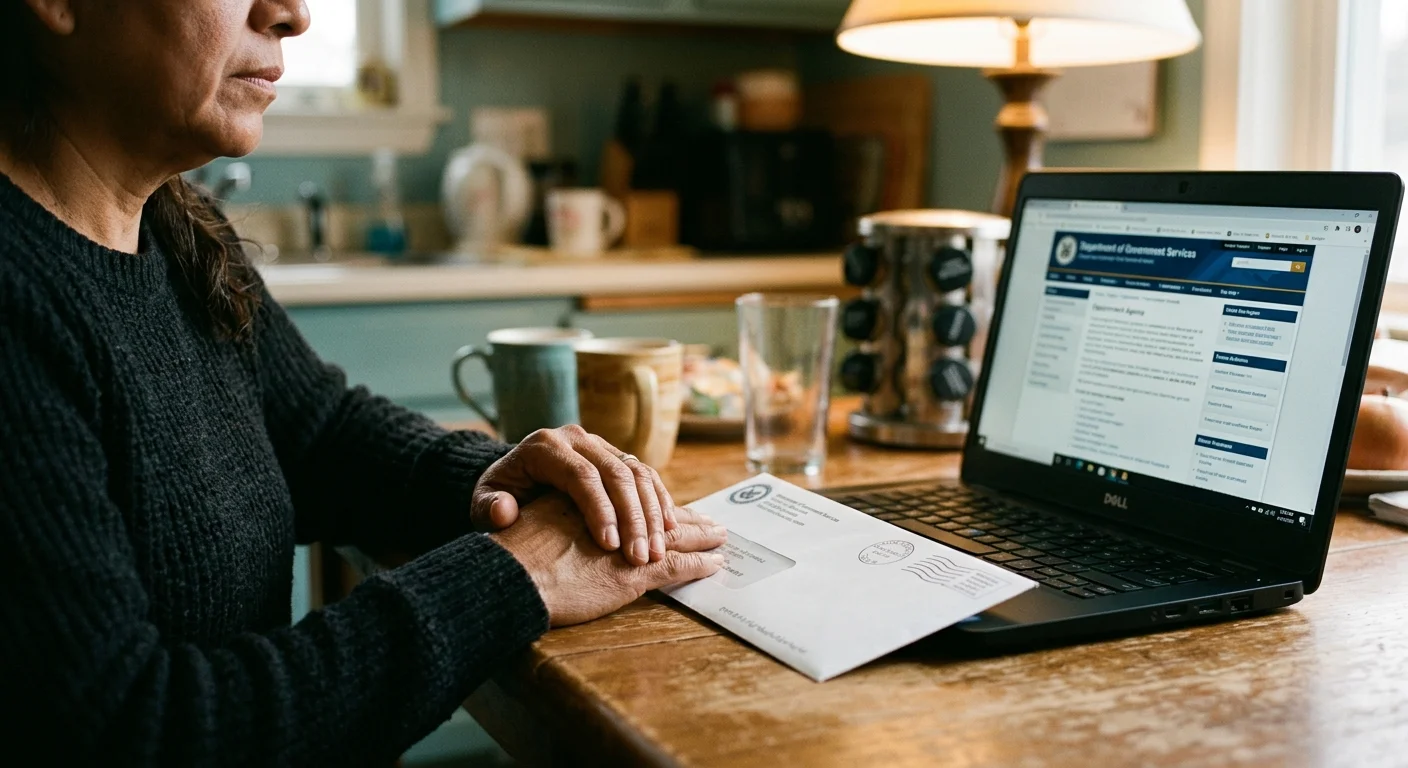
You checked your case status this morning. Same message as last week. Same message as the week before that. Your field office processing time says one thing. Your receipt notice date says you should be well past it. And nobody — not the USCIS website, not the hold music on their phone line — is explaining why.
You're not imagining it. Applicants across the country are seeing the same thing in 2026: N-400 cases stalled, interview dates pulled, or never scheduled in the first place. It's disorienting, especially when you've already been waiting years for this.
Here's what's actually happening — and what you should and shouldn't do about it.
What a Processing Pause Is (and Isn't)
A processing pause is not a denial. It's not a red flag on your application. It means USCIS has temporarily slowed or stopped adjudicating N-400 cases — typically agency-wide or at specific field offices — for reasons that have nothing to do with you personally.
USCIS has done this before. After September 11, 2001, naturalization processing ground nearly to a halt while security protocols were rebuilt from scratch. During COVID, field offices closed and interview backlogs grew by hundreds of thousands of cases. During transitions between administrations — including the current one — policy reviews, expanded vetting protocols, and staffing reorganizations have all caused measurable slowdowns.
The current 2026 slowdown reflects a combination of factors: expanded security vetting requirements introduced in 2025, a shift in adjudication priorities, and the administrative weight of processing over 10 million pending applications across all immigration categories. Your N-400 is in the queue. It hasn't been forgotten. It's waiting on a system under significant pressure.
What Your Case Status Messages Actually Mean
"Case Was Received" — USCIS has your application and fees. That's all this tells you. No decision has been made.
"Case Is Being Actively Reviewed" — An officer has the file. This doesn't mean your interview is imminent. Review can mean a background check is running, a hold is active, or the case is waiting on a supervisor's workload.
"Interview Was Scheduled" — Your case has cleared initial vetting and is assigned to a specific date. This is the message you're waiting for.
"Case Was Approved" or "Oath Ceremony Was Scheduled" — These are the finish line. They typically appear in sequence within weeks of your interview.
The status that causes the most anxiety: no update for weeks or months after your case should be moving. That usually means a pause, a background check hold, or an administrative bottleneck — not a problem specific to you.
You can track your case status anytime at uscis.gov/casestatus. Compare your wait against your field office's current published times at USCIS Processing Times. If your case is outside that window, you are in excess processing time — and you have formal options.
What to Do When Your Case Is Stuck
Step 1: Confirm you're actually outside the processing window. Not every delay is a pause. Check egov.uscis.gov/processing-times for your specific field office. If your receipt notice date falls within the published range, your case isn't overdue — it just feels that way. Wait.
Step 2: Submit a service request. Once your case is outside the published processing time, you can submit an e-request through uscis.gov. This is an official inquiry into your case. USCIS is required to respond within 30 days with either a status update or a new interview date. In practice, response times vary widely during high-volume periods.
Step 3: Contact your congressional representative. This is more powerful than most applicants realize. Every congressional representative has a constituent services office that handles exactly this kind of inquiry. When your rep's office contacts USCIS on your behalf, it generates a formal congressional inquiry — a different category of request that USCIS prioritizes above routine service requests.
You can find your representative at congress.gov. The process is free, takes about 10 minutes, and often produces a response or movement within two to three weeks. The Immigrant Legal Resource Center maintains guidance on navigating your rights during periods of immigration processing slowdowns.
Step 4: Document everything. Keep records of every status check, every service request, every contact with USCIS and your representative. If your case does require a formal escalation — or if you eventually consult an attorney — this documentation is what makes that process faster and more effective.
What Not to Do
Do not withdraw your application. This cancels your case entirely. You lose your place in the queue, your fees are not refunded, and you would have to file from scratch. Withdrawal is almost never the right response to a processing delay.
Do not refile. Filing a second N-400 while the first is pending creates confusion in USCIS's system and does not speed up your case. It may actually complicate adjudication when your case is eventually reviewed.
Do not let important documents expire. Green cards and advance paroles have expiration dates. While your N-400 is pending, make sure your underlying status documents remain valid. If your green card is expiring, file Form I-90 separately — pending a naturalization application does not automatically extend your green card.
Do not rely on unofficial timelines. Reddit and immigration forums are full of reports from applicants at specific field offices. These can be useful for sensing general trends, but individual timelines vary enormously based on field office, nationality, and case-specific factors. One person's 8-month interview wait tells you very little about yours.
How Long Do These Pauses Last?
Honestly: it depends on the cause, and USCIS doesn't publish an end date. Administrative reorganization pauses have historically resolved in weeks to a few months. Security vetting holds tied to specific nationalities or policy reviews can extend significantly longer. A Migration Policy Institute analysis of the USCIS naturalization backlog found that at peak periods the agency's pending caseload would take years to clear at then-current processing rates — with field office wait times ranging from under a year to well beyond two years depending on location and policy climate.
The honest answer is: monitor your field office's processing time page weekly. When times start moving for your date range, cases typically move in clusters. Many applicants have reported getting interview dates with very short notice — sometimes less than two weeks — after a long period of silence.
When to Get Legal Help
You don't need an attorney just because your case is delayed. But you should consult one if: your case is more than 6 months outside the published processing window with no response to service requests or congressional inquiries; you've received a Request for Evidence (RFE) or Notice of Intent to Deny; your green card or work authorization is expiring; or your life circumstances have changed materially since you filed (new arrests, extended travel, address changes you haven't reported).
Many immigration attorneys offer free 30-minute consultations. The Immigrant Legal Resource Center maintains a directory of nonprofit legal providers and guidance on finding low- or no-cost immigration help — worth exploring if you're unsure whether your delay is routine or something that needs legal attention.
Keep Studying While You Wait
A processing pause is out of your control. What isn't: how ready you are when the interview date finally lands in your inbox.
Many applicants who waited through long delays describe the same thing: when the interview was finally scheduled, it came with only two or three weeks' notice. The window to prepare was short. Applicants who kept their civics knowledge fresh throughout the wait performed better than those who had to restart from scratch.
For context on what the full naturalization wait involves, see our guide on how long the naturalization process takes in 2026. And if you're wondering what the officer will actually be evaluating when your interview finally arrives, this breakdown of what USCIS officers look for is worth your time now — not three weeks before your appointment.
The interview will come. Use this time.
Also relevant if you're waiting
Visa Bulletin June 2026: What It Means If You're Waiting for a Green Card →
39-Country Travel Ban: What Green Card Holders and Citizenship Applicants Need to Know →
If your home country is on the 2026 travel ban list, here's what that means for your N-400 processing timeline and whether you should travel while you wait.
Your Interview Date Will Arrive — Often With Less Notice Than You Think
Applicants stuck in processing pauses regularly report getting interview dates with only 2–3 weeks' warning. The simulator at FutureCitizen.us puts you in a realistic USCIS interview right now — an AI officer asks the real 128 civics questions one by one, out loud, timed. Don't be scrambling when the notice lands.
Try the Free Simulator →