39 Countries on the Ban List. Here's What That Actually Means for Your Green Card and Citizenship Application.
The travel ban affects visas — not green cards. But if you're on the path to naturalization and your home country is on the list, there are specific things you need to understand before you travel or file.
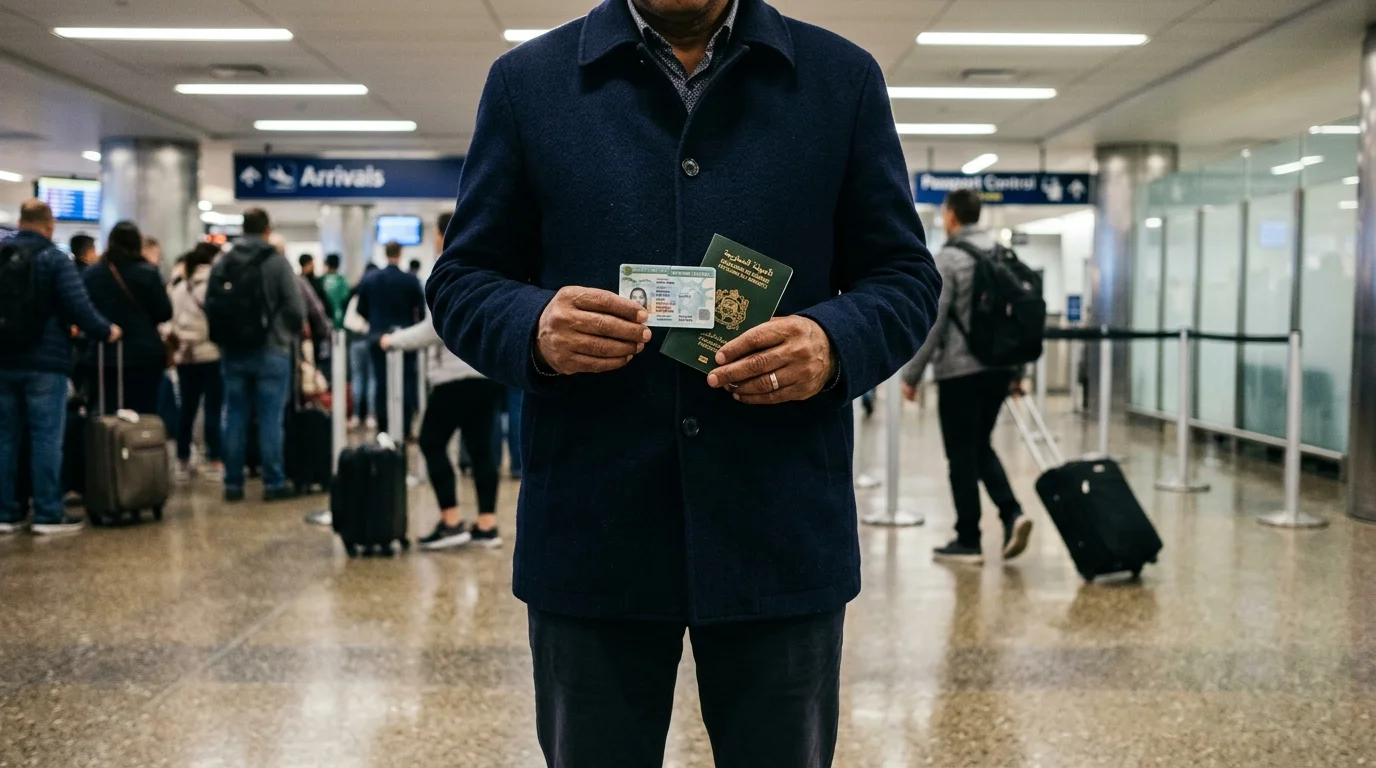
You've built a life here. You've had your green card for years. And now you're seeing headlines about a 39-country travel ban and wondering what, exactly, it means for you — for your next trip home to see family, for your N-400 sitting at USCIS, for the citizenship oath you've been working toward.
The headlines are alarming. The reality is more specific. Whether this ban affects you depends on what kind of immigration status you hold and what you're trying to do.
Here's what you actually need to know.
What the Travel Ban Actually Restricts
The 2026 travel ban targets visa issuance — the process of granting new visas to nationals of the listed countries. It is primarily aimed at people trying to enter the United States on nonimmigrant visas (tourist, student, work) or immigrant visas who have not yet arrived.
It does not, as a general rule, apply to lawful permanent residents — people who already hold green cards and have established legal residence in the United States. USA.gov's naturalization guidance confirms that LPR status is distinct from visa eligibility — green card holders retain the right to return from international travel regardless of their nationality.
That said, "generally not banned" and "problem-free" are not the same thing. The distinction matters.
If You Hold a Green Card and Your Country Is on the List
Your green card — your Lawful Permanent Resident status — is not revoked by the travel ban. You do not lose your residence. You do not lose your path to naturalization.
What changes for you is the experience at the border:
- Additional screening at ports of entry. CBP officers have broad discretionary authority at the border. Green card holders returning from travel to — or through — countries on the ban list may face longer questioning and secondary inspection.
- Scrutiny of your travel history. Extended trips outside the US, or frequent travel to certain countries, can raise questions about your continuous residence. This matters particularly if you're planning to file for naturalization.
- Enhanced vetting during background checks. According to the Immigrant Legal Resource Center, green card holders from countries designated for enhanced screening may see longer delays when USCIS runs background checks during naturalization processing — not because of anything you did wrong, but because the security review takes longer.
None of this is automatic denial. But all of it is real friction.
What This Means for Your Naturalization Application
If you've already filed your N-400 — or you're about to — the travel ban does not disqualify you. USCIS evaluates naturalization applications based on your eligibility: your legal status, years of continuous residence, good moral character record, English ability, and civics knowledge. Nationality is not a disqualifying factor.
What the ban can affect is timing.
Applicants subject to enhanced security screening — a category that has expanded alongside the travel ban — often experience processing holds that extend their wait significantly beyond normal field-office timelines. Your application isn't denied. It's waiting. And the wait can feel interminable.
If you've been in "Interview Not Yet Scheduled" status beyond your field office's published processing time, this may be why. The USCIS case status tool won't tell you whether enhanced vetting is the cause — it just shows the queue.
The Continuous Residence Risk: Travel While You Wait
Here's the issue that doesn't get enough attention. If your N-400 is pending and you're thinking about traveling internationally — especially back to your home country — you need to be careful about how long you're away.
Naturalization requires continuous residence in the United States (generally 5 years for most applicants, 3 years for spouses of U.S. citizens). A single trip outside the US of more than 6 months can break your continuous residence. Multiple shorter trips that add up to extended absences can raise questions even if no single trip hit 6 months.
None of this is changed by the travel ban specifically. But the ban has made some applicants want to visit family they haven't seen in years before travel becomes harder — and that understandable impulse can accidentally jeopardize the very application they're trying to complete.
Before you book any international travel while your N-400 is pending, talk to an immigration attorney about whether the trip affects your continuous residence calculation. Many offer free initial consultations.
What This Does Not Affect
Be clear about what's not at stake:
- Your green card is not revoked.
- Your right to live and work in the United States is not affected.
- Your ability to file Form N-400 is unchanged.
- The civics test and English test requirements are the same as they've always been.
- If you're already scheduled for a naturalization interview, that appointment stands.
The path to citizenship hasn't changed. The road may be bumpier for some applicants — but it's still the same road.
Practical Steps Right Now
If you're from one of the affected countries and actively pursuing naturalization:
- Don't travel internationally without legal advice. A trip that seems fine could affect your continuous residence or create complications at re-entry.
- Check your USCIS case status regularly. If you're outside your field office's published processing window, you can submit a case inquiry after 90 days.
- Keep studying. Processing delays are frustrating, but your interview will eventually come — and you need to be ready when it does. The civics test doesn't change based on your country of origin.
- Connect with an immigration attorney if you have specific concerns. Many nonprofit legal organizations offer low-cost consultations for naturalization applicants.
The wait is hard. The uncertainty is hard. But your eligibility is not what's being questioned — it's the speed at which the system is processing you.
Use the time.
Your Interview Date Will Come. Be Ready When It Does.
Processing holds are real — but they end. When your interview date finally arrives, you'll often get 2–3 weeks' notice and need to be ready immediately. The civics test is the same for every applicant regardless of where they're from. FutureCitizen.us puts you in a simulated USCIS interview right now — a free AI officer asks you the 128 questions one at a time, out loud, just like the real thing. Don't be scrambling when the letter arrives.
Start the Free Simulator →Related Articles
- What the New USCIS Adjustment of Status Memo Means for Applicants →
- USCIS Citizenship Processing Pause: What It Means for Your Application →
- New USCIS Background Checks in 2026: What Applicants Need to Know →
- How Long Does the Naturalization Process Take in 2026? →
- What to Expect at Your USCIS Naturalization Interview →